

Diode Laser Vs IPL: High-Quality Insights from Top Manufacturers
When considering the best hair removal solution, I often find myself comparing diode laser vs IPL technology. Both have their merits, but I've noticed that diode lasers tend to provide more precise results, especially on a variety of skin tones. As a B2B purchaser, you want only high-quality equipment that stands the test of time. That’s why I recommend sourcing from reliable manufacturers who truly understand the nuances of these technologies. With diode laser machines typically offering deeper penetration and effective results on finer hair, they might just be the superior choice for your clientele. IPL, while versatile, can sometimes be less effective on certain hair types and skin conditions. Whichever route you choose, high-quality equipment from a reputable manufacturer will ensure the best outcomes for your business. Let’s elevate your offerings and make informed decisions together!
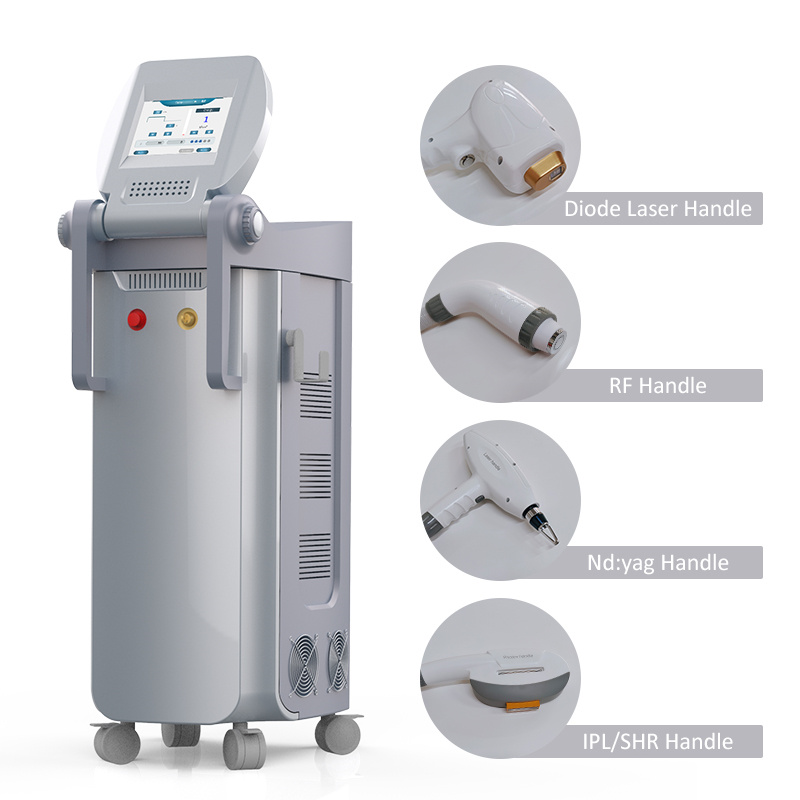

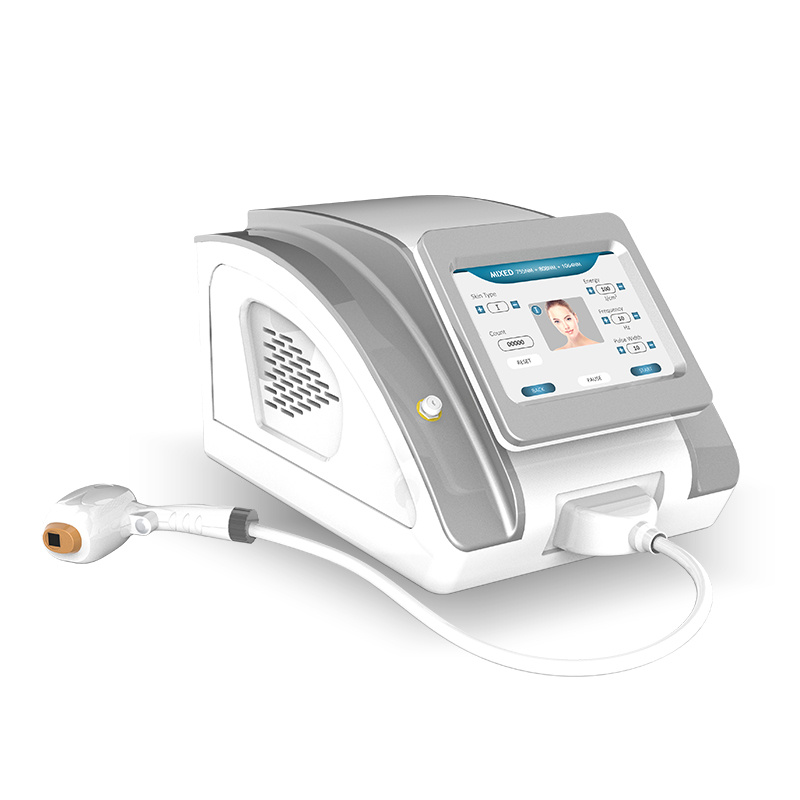
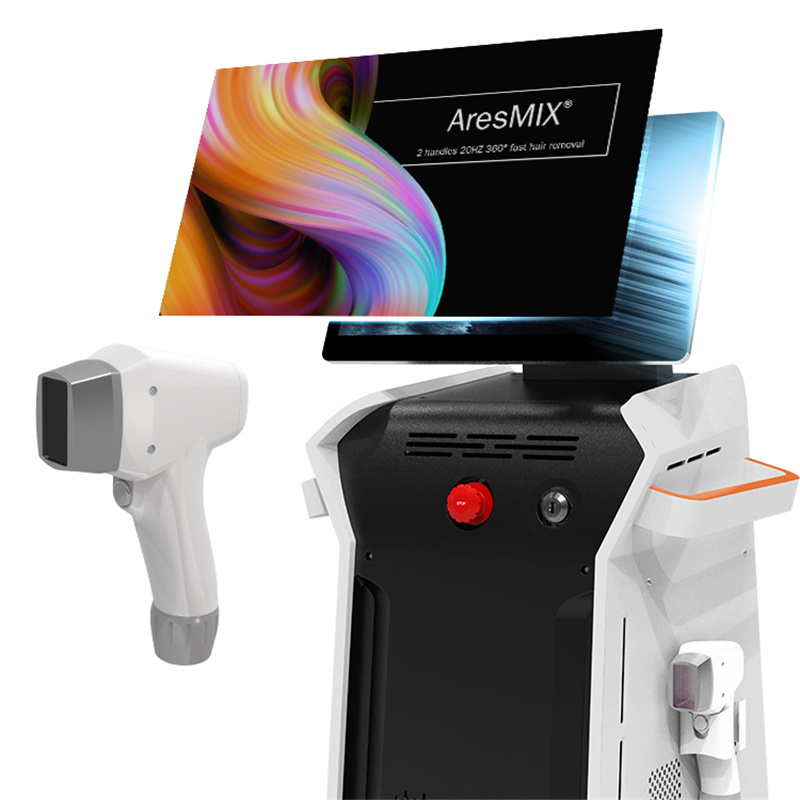
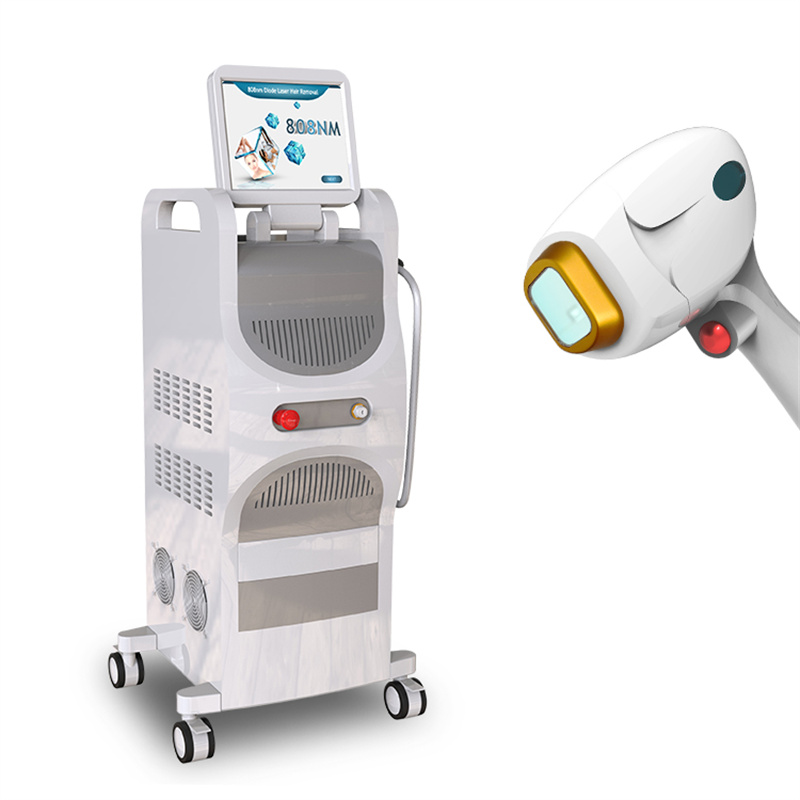
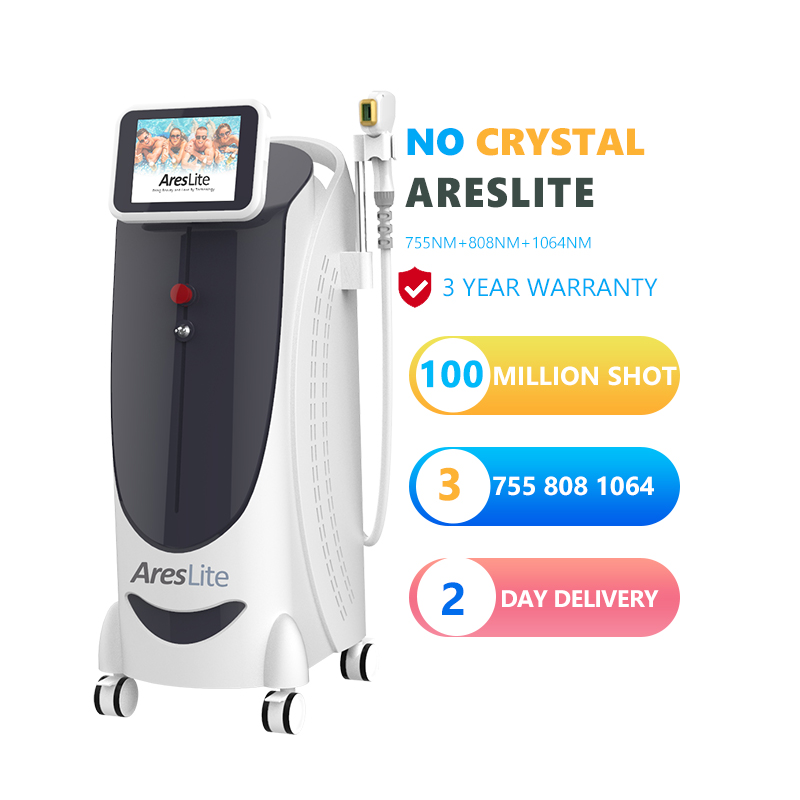
Diode Laser Vs Ipl Pioneers in the Field Your End-to-End Solution
In the ever-evolving landscape of aesthetic and medical technology, the comparison between diode lasers and IPL (Intense Pulsed Light) has become a focal point for industry professionals. Both technologies have their distinct advantages, serving various applications in hair removal, skin rejuvenation, and other dermatological treatments. Diode lasers are known for their precision and ability to target specific skin tones and hair types effectively, making them a preferred choice for many practitioners. On the other hand, IPL offers versatility with its broad spectrum of light wavelengths, suitable for treating an array of skin concerns, such as pigmentation issues and vascular lesions. Understanding the intricacies of these technologies is crucial for manufacturers and distributors aiming to provide comprehensive solutions to global buyers. A robust end-to-end solution not only encompasses high-quality laser systems but also includes essential training, support, and integration into existing practice workflows. By offering an integrated approach, businesses can ensure that practitioners receive thorough knowledge and operational support, enhancing treatment efficacy and client satisfaction. As the industry continues to advance, focusing on both technology and customer education will be key to fostering successful partnerships and improving outcomes for patients. Ultimately, choosing between diode lasers and IPL should stem from a deep understanding of specific treatment goals and patient needs. With the right guidance and resources, buyers can make informed decisions that align with their operational capabilities and market demands, paving the way for successful implementations in their clinics or beauty centers.
Diode Laser Vs IPL Pioneers in the Field Your End-to-End Solution
| Feature | Diode Laser | IPL |
|---|---|---|
| Technology | Monochromatic light source | Broad spectrum light source |
| Skin Type Suitability | All skin types | Generally safe for lighter skin types |
| Pain Level | Low to medium | Medium to high |
| Treatment Speed | Fast due to larger spot size | Slower relative to diode |
| Effectiveness | Highly effective for hair removal | Effective for hair removal and skin rejuvenation |
| Session Frequency | Every 4-6 weeks | Every 3-4 weeks |
| Long-Term Results | Permanent reduction | Temporary reduction |
Related Products

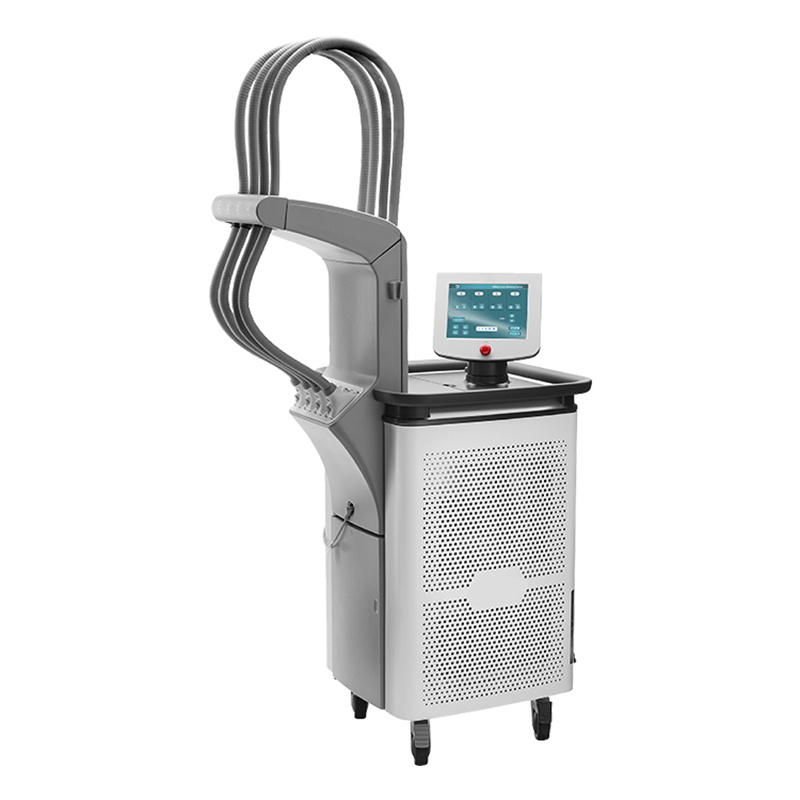
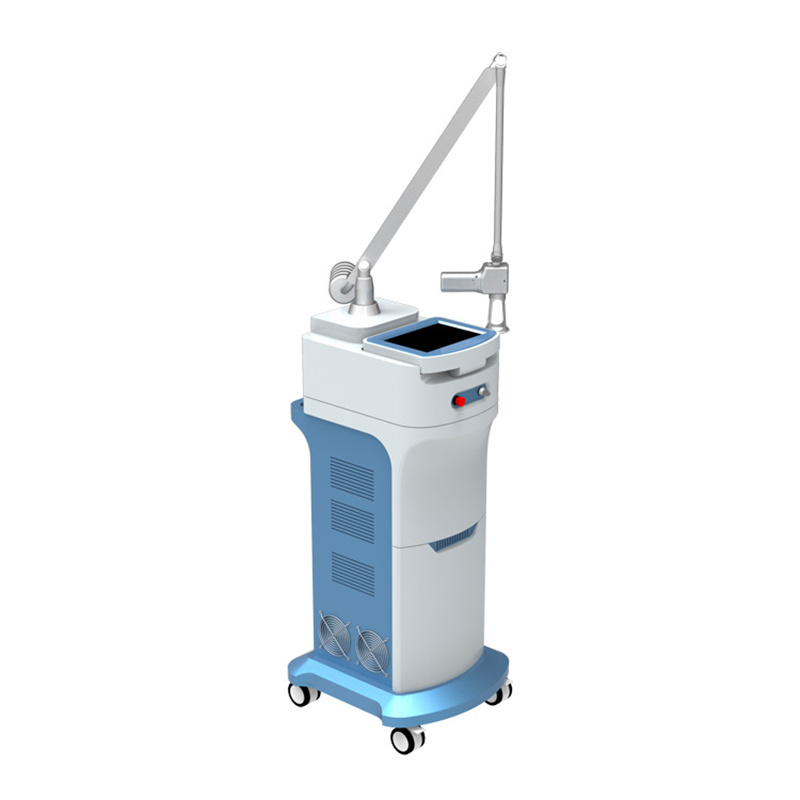

Diode Laser Vs Ipl Where Innovation Meets 2025 Custom Solutions,
Top Selling Products

- Related Blog
- Reviews
